Strength Starts Here: Why Occupational Therapy Is the Key to a Successful Return Home
Apr 15, 2026 ArticlesStrength Starts Here: Why Occupational Therapy Is the Key to a Successful Return Home
When most people think about rehabilitation after a hospital stay, they think of physical therapy—walking again, building strength, regaining mobility.
But what many don’t realize is this: Getting stronger isn’t the same as being ready to go home.
That’s where Occupational Therapy (OT) comes in—and why it’s one of the most critical components of a safe, successful discharge.
What Is Occupational Therapy—And Why Does It Matter?
Occupational Therapy focuses on helping patients regain the ability to perform activities of daily living (ADLs)—the real-life tasks required to live independently.
This includes:
- Getting in and out of bed safely
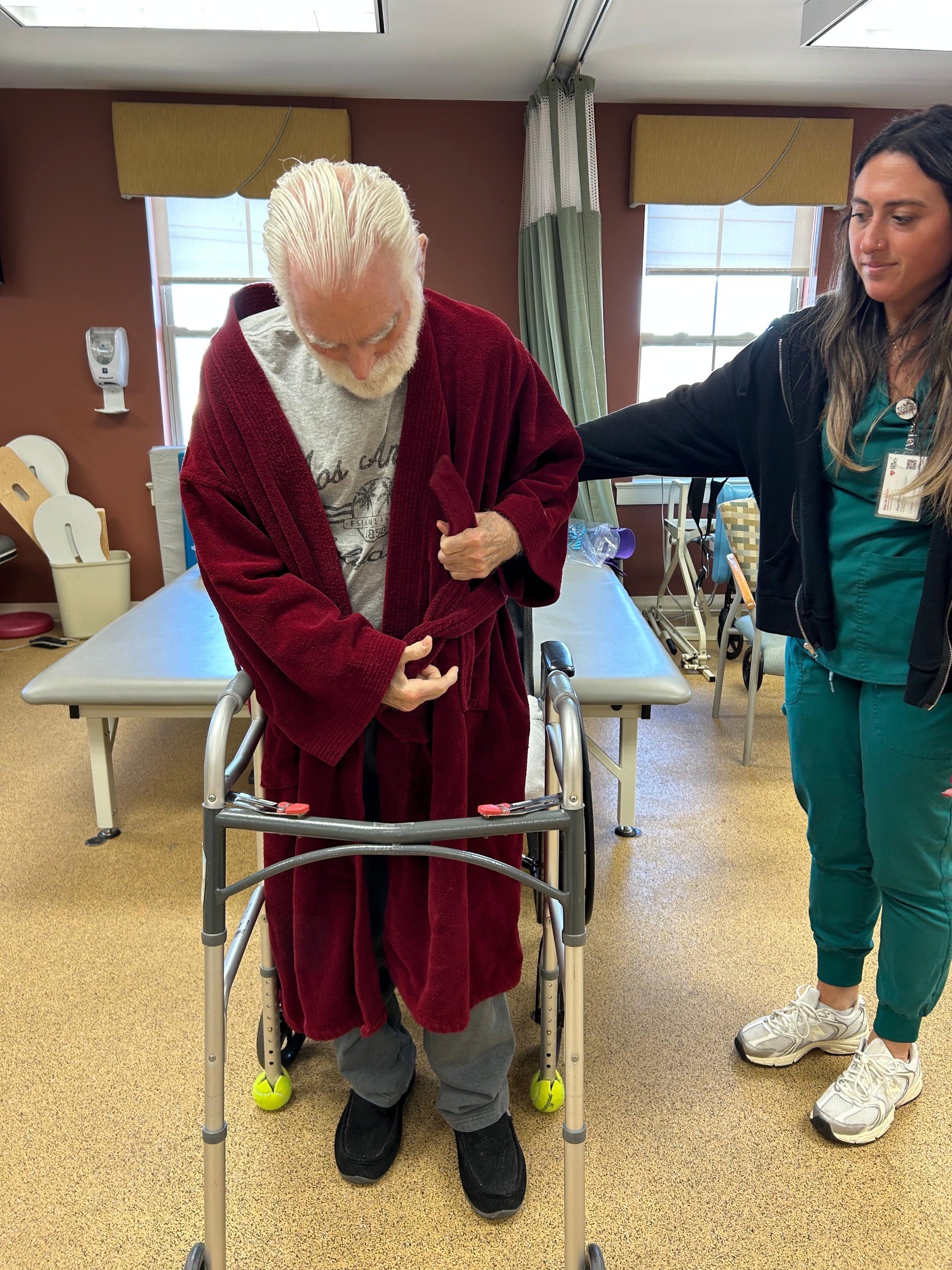
- Dressing, bathing, and toileting
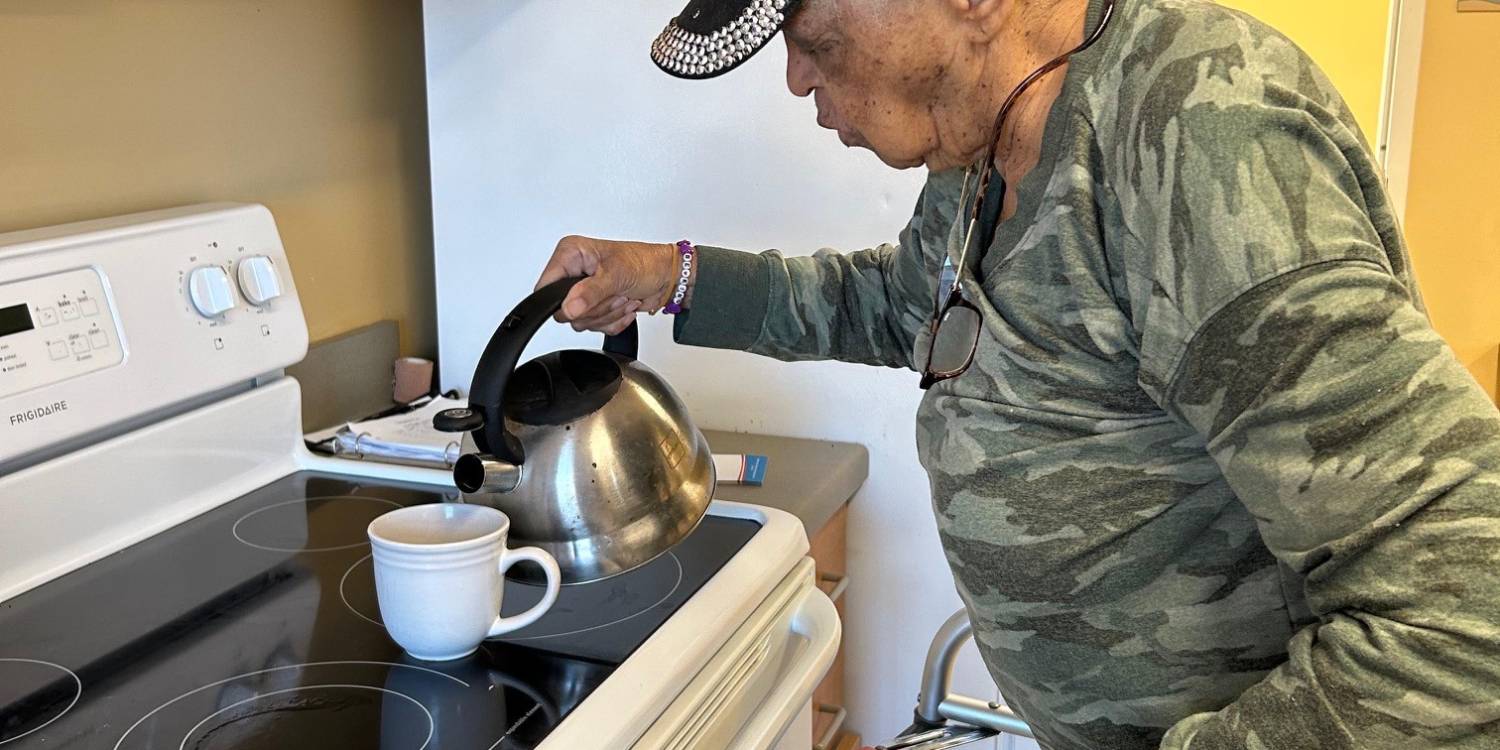
- Preparing meals
- Managing medications
- Navigating the home environment
While physical therapy helps you move better, occupational therapy helps you live better.
The Difference Between Physical Therapy and Occupational Therapy
Understanding the distinction is key to understanding recovery:
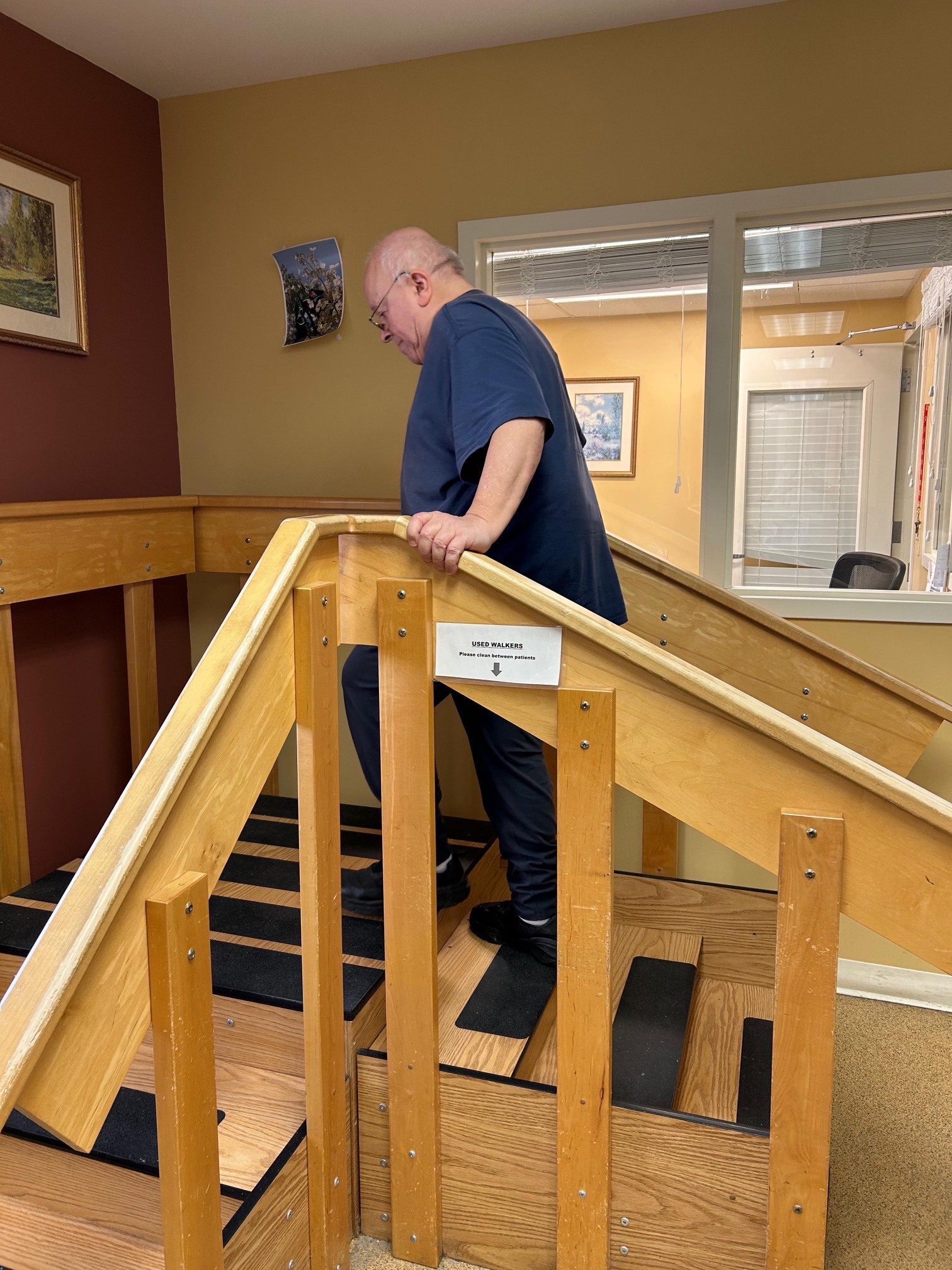
- Physical Therapy (PT): Focuses on strength, balance, endurance, and mobility
- Occupational Therapy (OT): Focuses on applying that strength to real-life function and independence
Think of it this way:
Physical Therapy gets you strong enough to stand.
Occupational Therapy ensures you can stand safely in your own shower, prepare a meal in your kitchen, and move through your day with confidence.
Both are essential—but OT is what bridges the gap between clinical progress and real-world success.
Why Occupational Therapy Is Critical Before Going Home
A successful discharge isn’t just about leaving a facility—it’s about staying home safely once you get there.
Occupational therapists play a vital role in:
Preventing Falls and Injuries
By evaluating how patients move through everyday environments and teaching safer techniques.
Building Confidence in Daily Routines
Patients practice real-life tasks before returning home—so nothing feels unfamiliar or overwhelming.
Recommending Adaptive Equipment
From grab bars to dressing tools, OTs introduce solutions that support independence and safety.
Preparing for Real Life—Not Just Rehab
The goal isn’t just improvement in a therapy setting—it’s success in the home setting.
Why the Right Setting Makes All the Difference
After a hospital stay, many families are faced with a decision: Return home with services—or complete a short-term rehabilitation stay first.
Both options have value. But it’s important to understand the difference in intensity and support. In a short-term rehabilitation setting, patients benefit from:
- Consistent, daily access to therapy services—including Occupational Therapy
- Hands-on guidance and real-time adjustment
- A structured environment focused on rebuilding independence
- A coordinated care team working toward one goal: a safe discharge home
In contrast, home-based services are typically more limited in frequency and duration. Without the opportunity to fully build and practice these essential daily skills, some patients may return home before they’re truly ready to manage independently, increasing the risk of setbacks or readmission.
The Impact of Occupational Therapy—By the Numbers
Research continues to reinforce the importance of Occupational Therapy in recovery:
- Functional independence at discharge is one of the strongest predictors of remaining safely at home
- Occupational Therapy interventions have been shown to reduce fall risk in older adults
- Patients who receive comprehensive rehabilitation—including OT—are less likely to experience hospital readmission
- Early, structured rehabilitation leads to better long-term outcomes and improved quality of life
Strength Starts Here—But Independence Is the Goal
At Complete Care, we often talk about the journey “from hospital to home—done right.” Because recovery isn’t just about getting stronger—it’s about being prepared. Occupational Therapy ensures that patients don’t just regain strength…They regain the ability to live safely, confidently, and independently.
When planning the next step after a hospital stay, it’s important to ask:
“Am I strong enough to leave… or truly ready to live at home safely?”
Because real recovery doesn’t end at discharge.
It starts with the right support—right from the beginning.